
Bone Spur Treatment
As a teenager, you likely thought you were invincible and would never fall prey to older adults’ issues like arthritis, bunions, or bone spurs. You may have even thought plantar fasciitis was some foreign disease. But the truth is, our bodies wear out over time. And often, the faster we go, the quicker they crumble. You must take care of your body, including your feet, to slow down this process.
To protect your feet from the inevitabilities of aging, you should check in with a podiatrist if you are already experiencing discomfort or twinges of pain. If you have a condition such as bone spurs, you want a podiatrist with expertise in multiple foot and ankle problems. Not only is Dr. Cameron a podiatrist, but he is also a surgeon specializing in foot and ankle reconstruction. If you have any concerns, he is Utah’s premier foot and ankle expert.
What Are Bone Spurs?
Officially called osteophytes, bone spurs are bony growths or projections that develop on the edge of your bones. They can be painless, asymptomatic, and go unnoticed for many years. Or they can lead to inflammation, pain, and other complications. They form from excess friction in areas under constant stress or pressure so you might see them on your spine, shoulders, hips, knees, and feet.
Podiatric Bone Spurs
Because we are constantly on our feet, causing extra stress and pressure on our bones, there are several areas bone spurs develop:
- Toe Joint: Bone spurs can develop on any toe joint, particularly the hallux or big toe joint. They can cause stiffness, trouble walking, and pain, especially when wearing certain types of shoes.
- Midfoot: You can find bone spurs developing in your midfoot where the top of your foot meets the arch. These are more common if you have high or flat arches.
- Heel: Heel spurs are often associated with plantar fasciitis. You’ll find them at the bottom of your heel, and they can be excruciating when you stand or walk.
- Ankle: Bone spurs favor the talus bone, part of your ankle joint that sits directly at the top of your foot.
The location of your bone spurs influences the symptoms you might experience, which is why bone spurs can be undiagnosed for so long. It’s crucial to visit a podiatrist for a proper diagnosis if you are experiencing any issues with your feet or ankles.

Causes Of Bone Spurs
Because they develop slowly over time, it’s challenging to identify one clear cause. Here are the primary factors that contribute to bone spur development:
- Genetics: While other underlying conditions can contribute, bone spurs tend to run in families.
- Aging: Similar to arthritis, the cartilage that cushions our joints can wear down over time, leading to bone spurs where the cartilage isn’t protecting the bones from rubbing together.
- Posture or Alignment Issues: If you have poor posture or joint alignment problems, you put excess strain on the affected joints, leading to bony projections.
- Joint Damage: Repetitive stress or injuries can increase the likelihood of bone spurs. Joint degradation from a disease such as arthritis can result in bony growth.
- Obesity: If you carry excess weight, it strains your joints, increasing pressure and paving the way for bone spurs.
- Other Medical Conditions: Paget’s disease, diabetes, and gout are associated with an increased risk of bone spurs.
Not everyone who has these risk factors develops bone spurs. Conversely, not every bone spur can be traced to one of these triggers. When you seek treatment for bone spurs, you may find that you didn’t have any of these apparent causes. Whether you can identify risk factors or not, visit a podiatrist if you experience decreased range of motion, swelling, or pain. You will need a thorough exam and bone spur treatment plan.
Bone Spur Treatments
Because podiatrists are foot and ankle specialists, you should visit one to diagnose your foot condition properly. Depending on the location, symptoms, and severity, podiatrists have various bone spur treatments to alleviate your discomfort:
Medication
Even before undergoing treatment for bone spurs, you can use acetaminophen or nonsteroidal anti-inflammatory drugs (NSAIDs) such as ibuprofen. These medications can reduce inflammation and provide temporary pain relief; however, medications cannot cure bone spurs.
Podiatrists can administer corticosteroid injections like cortisone to the area inflamed and irritated by the bone spur. These injections provide longer-lasting relief from pain and inflammation than NSAIDs, but also wear off. Podiatrists use steroids sparingly and prefer other bone spur treatment methods since they can contribute to joint degradation over time.
Physical Therapy
If your bone spur is too minor to warrant surgery or if you are trying to avoid going under the knife, physical therapy is an excellent bone spur treatment. Your podiatrist can refer you to address the underlying cause of your bone spur, such as overuse, inflammation, or poor biomechanics. This treatment for your bone spurs can help strengthen muscles and correct alignment issues, causing inappropriate growth.
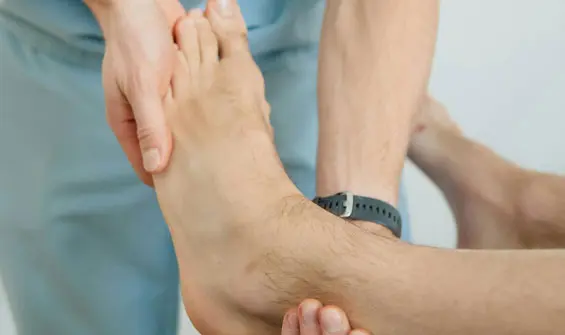
Physical therapists will choose focused exercises to strengthen and improve your range of motion to reduce pain in the affected areas. They can also use manual therapy techniques such as massage and assisted mobilization to help with circulation, which soothes pain and inflammation. Depending on the treatment center, they may use ultrasound therapy with sound waves to achieve the same results.
Whether in the clinic or at home, you can use electrical stimulation from a TENS unit to stimulate your nerves in the affected area. This and most bone spur treatments aim to improve circulation, decrease inflammation, and reduce pain to allow you to continue your daily activities.
External Offloading: Prescription Inserts or Braces
Depending on the location of the bone spur, podiatrists can create custom-made shoe inserts or orthotics to redistribute pressure and relieve bone spur pain. Orthotics can also help prevent bone spurs to keep your feet in proper alignment or reduce other risk factors like plantar fasciitis.
Other external offloading treatments for your bone spurs involve using braces to maintain alignment and provide extra support so your bones don’t rub together. Padding, strapping, or taping the affected area with kinesiology tape can protect your other foot structures from being affected by the bone spur.
Surgery
The last resort for bone spur treatments is osteophyte removal surgery. Your podiatrist will recommend non-surgical bone spur treatments before recommending this option. The surgery is invasive and performed under general anesthesia to remove the extra bony protrusions. They will also remove damaged tissue around the spur while they are already there.
The surgeon will close the site with staples or sutures, so you will need to keep it dry and clean until it heals to prevent post-operative infections. After you wake up and recover, you can go home the same day without any hospital time. You must wear a protective boot or cast to provide extra support until the affected area heals enough to support your weight.
You still may need physical therapy, not for bone spur treatment, but to help regain strength and mobility from the recovery. Follow your discharge instructions and attend all your follow-up appointments to ensure you are healing correctly.
Often, doctors administering bone spur treatment must refer patients out for an operation. That is not the case with Dr. Cameron, who can perform needed surgeries. He treats his patients from the beginning to the end of their podiatry journey for seamless continuity of care. He stands ready to help his patients with life-changing treatments and make a definitive impact on their quality of life.