
Treatment for Neuromas
As one of Utah’s premier foot and ankle specialists, Dr. Cameron knows the impact chronic neuromas can have on your daily life. Any time one develops and flares, you must rest the affected leg and focus on reducing inflammation. Frequent rest isn’t always an option if you are active, have a demanding job, or have a family with little ones underfoot.
Nonsteroidal anti-inflammatory drugs (NSAIDs) and steroids can be harsh when used frequently, so surgery may be the best option if conservative measures aren’t taking care of your issue. Foot and Ankle Center is well known for surgical neuroma treatments. You can rest easy knowing that Dr. Cameron knows every treatment to try before opting for an invasive cure.
What Are Neuromas?
Neuromas are benign, meaning not cancerous, tumors of nerve tissue. There are a lot of nerves in your feet, especially running between your metatarsal bones in your midfoot. This area is where many neuromas occur.
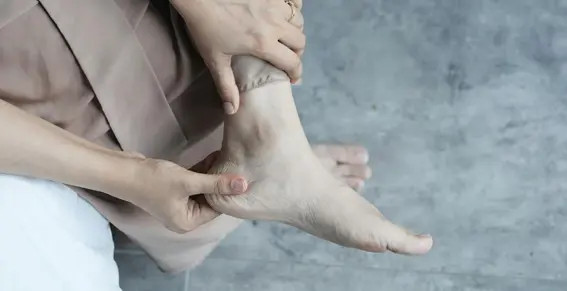
Morton’s neuroma, named after the doctor who described the condition, is very common for anyone who wears high heels frequently or for long periods. Located between your third and fourth metatarsal, you will feel the pain in the ball of your foot due to nerve compression or irritation.
Symptoms of Neuromas
Your symptoms will vary depending on the nerve’s location that’s irritated. However, you can feel pins and needles or complete numbness around the affected area. Less rare, you can have sharp, tingling, or burning pain. If you have a foot neuroma, you may feel like there’s a rock in your shoe while walking around. No matter the symptoms and sensations you experience, neuromas are very unpleasant and hard to ignore.
Causes of Foot Neuromas
Because neuromas develop from irritation and compression of your nerves, nearly anything can cause them. However, there are some widespread culprits:
- Tight Shoes: If you wear high heels, shoes with a narrow toe box, or those that pinch, especially around the ball of your foot, you can easily cause a neuroma to form.
- Foot Irregularities: Bunions and hammertoes can frequently cause neuromas because of the improper foot alignment they can cause. When your feet aren’t correctly aligned, you will have added stress and weight on areas you wouldn’t typically, so your nerves can protest.
- Repeated Stress: This repetitive stress can be from the previous two causes, such as wearing tight shoes or bunions. Or it can be from practicing a movement repeatedly in an activity that requires running or jumping. For example, basketball players and ballet dancers are both prone to developing neuromas.
Preventative Treatments for Neuromas
While some unmodifiable risk factors are beyond your control, there are some modifiable risk factors for neuromas. Take care to prevent them with these steps:
Avoid High Heels
As already noted, high heels put extra pressure on the balls of your feet and compress your toes, which is likely to cause Morton’s neuroma or other types of neuroma.
Wear Well-Fitting Shoes
Especially when wearing them for a long time, wear comfortable, low-heeled shoes with a wide toe box. They should have proper arch support, as this will reduce nerve irritation and pressure on your feet.
Maintain A Healthy Lifestyle
Carrying too much weight puts more pressure on your feet. By maintaining a healthy lifestyle, you will protect your joints and your feet. Listen to your body, take regular breaks, and stretch to avoid repetitive stress injuries.
Take Care of Your Feet
If you have foot problems, see a podiatrist to address them early. The earlier the intervention, the less likely you are to develop complications like neuromas. Wearing custom orthotics or shoe inserts is an easy step to help evenly redistribute weight, keep your feet in proper alignment, and provide extra cushion and support to avoid unnecessary pain.
Diagnosing Your Foot Problem
Seeing a podiatrist, a doctor specializing in treating feet and ankles, is the best course of action if you are experiencing any irregularities with your feet. They can often diagnose a neuroma based on your symptoms and a thorough exam. However, they may recommend an X-ray to rule out other conditions or contributing factors to this neuroma.
Doctors may request other imaging, such as an ultrasound or MRI, to visualize your peripheral nerves, such as the ones in your feet. Once diagnosed, there are several different routes for neuroma treatment.

Medication Treatments for Neuromas
Between medications you can pick up at the store and prescriptions your doctor can order, there are many options for reducing inflammation and treating your neuroma pain, such as:
- Over-The-Counter: NSAIDs are the medication of choice for neuromas. Ibuprofen relieves pain and reduces inflammation, allowing the irritated nerve room to heal. You can also get topical analgesics containing lidocaine or capsaicin that provide relief directly to the applied area.
- Injections: Doctors can use corticosteroid injections like cortisone to reduce pain and inflammation in the affected area. However, their relief is short-term if you don’t address the underlying cause, as continuous steroid use is not advisable.
- Anticonvulsants: While in the drug class to prevent seizures, pregabalin and gabapentin are the best prescription medications to reduce nerve pain. If you suffer from chronic nerve pain from neuromas, you can take these medications daily to prevent the pain from becoming debilitating.
- Antidepressants: In higher doses, these medications treat depression, but in low doses, they are effective at treating chronic pain. Amitriptyline can help alleviate the daily pain associated with your neuromas.
Other Neuroma Treatments
In addition to over-the-counter and prescription medication, there are several neuroma treatments your doctor will recommend:
Mechanical Offloading
Just doctors’ term for rest, mechanical offloading alleviates the pressure on the nerves, so they have space and time to recover. This time can help reduce the inflammation, but doctors will typically combine it with ice therapy and NSAIDs. The conservative treatment trifecta of rest, ice, and NSAIDs typically gets you through the initial pain of your neuroma so that you can address the underlying issue.
Changing Your Footwear
If your footwear contributes to the problem, your doctor can recommend some better brands and styles to avoid more neuromas in the future. If different shoes are not enough, or the pain is too much even to wear them, a podiatrist can prescribe custom orthotics or prescription shoes in more extreme circumstances.
Physical Therapy
If you have a structural issue or muscle weakness contributing to your neuromas, physical therapy can help by creating an individualized plan tailored to your needs. Physical therapists aim to improve the following:
Range of Motion
After your initial assessment, the therapist may help you or have you gently move your foot and ankle in all different directions to improve your joint mobility.
Flexibility
Your physical therapist will help increase the flexibility of your lower leg muscles and soft tissue to reduce pressure and tension on your neuroma. They can teach you manual techniques to practice at home and use stretching devices in the clinic.
Strength
Improving your foot and ankle strength will help with your stability and support your foot and ankle joints. They may have you use weights in the office and send you home with resistance bands you can use anywhere to build strength.
Support
While strengthening your muscles will help with support over time, your physical therapist may use braces or kinesiology tape to provide extra immediate support. They can teach you how to apply the kinesiology tape to reduce pressure and pain from your neuroma at home.
Pain
Physical therapists can use ice and heat therapy before and after treatments. This will help manage the inflammation and pain so that you can continue the exercises that will help your healing. Depending on the clinic, they can also use ultrasound therapy to generate deep heat through sound waves to treat any areas of swelling or irritation in your feet and ankles.
Surgery
If conservative measures are not cutting it and you live with chronic neuroma pain, a surgeon can remove the affected nerve. Surgery isn’t without its own risks, so you should explore other neuroma treatment avenues before selecting this option.
When selecting a neuroma surgeon, you should assess their credentials and experience before trusting them to operate on the nerves of your feet. If the surgery or post-operative recovery goes wrong, you could experience more nerve pain than before.
Follow your surgeon’s post-op care instructions, but they typically include the following:
- Rest with limited walking or standing for a minimum of a few days following surgery
- Keeping your incision site clean and dry to avoid infection until it’s healed
- Ice, compression, elevation, and medication to prevent further swelling and pain
- Physical therapy to help regain mobility and rebuild strength
Depending on the type and severity of your neuroma, your surgeon could be an orthopedic, neurosurgeon, or podiatric surgeon. Ensure you ask questions about the procedure and recovery process to understand what neuroma treatment plan you’re happy with; an experienced surgeon can answer any questions you have.
Why Foot And Ankle Center is The Best For Neuroma Treatment
Because Dr. Cameron is a podiatrist trained to deal with all sorts of foot ailments and conditions, he is the best person to assess any problems with your feet and ankles. He completed a separate specialty in foot and ankle surgery, so he is well-equipped to discuss any complex foot issue you may bring to him.
He has the knowledge to diagnose you and over 10 years of treatment experience to recommend the best neuroma treatment for your specific case and contributing factors. Whether you need conservative treatments, prescription medications, orthotics, physical therapy, or the last resort of surgery, Dr. Cameron can help you navigate the best combination for your lifestyle.