

When your child laces up for a new sports season, you’re likely thinking about schedules, uniforms, and snacks. But don’t let those tiny toes and ankles slip under your radar. Youth sports are more competitive than ever, and many young athletes hit the ground running before they even hit their teens. While this can lead to exciting wins and personal growth, it also increases the risk of injury, especially in the feet and ankles.
Soccer, basketball, gymnastics, or track constantly put their feet and ankles through a whirlwind of twists, turns, and take-offs. That’s why it’s essential to discuss the risks with foot and ankle specialists and take action before a minor mishap trips them up for the season.
The Most Common Injuries in Young Athletes
You might be surprised how often kids face sports-related injuries that affect their feet and ankles. From simple sprains to chronic overuse conditions, these issues can have lasting consequences if not adequately treated.
One of the most common problems is the classic ankle sprain, usually from landing awkwardly or rolling the ankle during quick movements. Sprains might seem minor. However, if they’re not given time to heal, your child could develop chronic ankle instability, a wobbly joint that makes a comeback season after season.
Another issue you should watch for is heel pain caused by Sever’s disease. This condition affects growing children who run or jump frequently. It stems from inflammation in the heel’s growth plate and often mimics the signs of a simple overuse injury.
Stress fractures are also a concern in high-impact sports, especially if your child doesn’t get adequate rest between practices or competitions. These tiny cracks in the bone may go unnoticed at first but can snowball into bigger aches if ignored. What is a parent to do?
1. Start With Proper Footwear
You can’t prevent every injury, but one of the best starting points is making sure your child wears the right shoes for their sport. Each activity places different demands on the foot, so matching the shoe with the motion is vital. For example, soccer cleats are designed for lateral movements and traction, while running shoes are built to keep feet springing forward like pistons.
Shoes that are too worn down or don’t fit properly can cause instability, blisters, or even alter your child’s gait, straining muscles that shouldn’t be working overtime. Make it a habit to check their footwear regularly for signs of wear and replace them as needed. Hand-me-downs might seem cost-effective, but shoes that have molded to another person’s feet might not cradle your child’s feet the way they need.
Also, don’t overlook the value of supportive insoles or orthotics. If your child has flat feet, high arches, or an abnormal walking pattern, custom orthotics prescribed by a podiatrist can be the heroes that keep feet happy and injuries at bay.
2. Encourage a Balanced Training Routine
Youth sports culture sometimes glorifies constant training, but your child’s growing body needs time to rest and recover. Repeating the same movement patterns over and over without variation can lead to overuse injuries, especially in the foot and ankle, which are the workhorses that take the brunt of every jump and pivot.
Encourage your child to incorporate different types of movement into their training. If they play soccer, cross-training with swimming or cycling can give tired joints a break while keeping their heart in the game. Strength training and stretching are also key components of injury prevention.
Make sure their coach follows age-appropriate training protocols and includes a proper warm-up and cooldown in each session. Stretching calves, Achilles tendons, and plantar fascia can improve flexibility and reduce the likelihood of strains and tears. It’s like greasing the hinges before a big performance.
3. Don’t Let Them “Tough It Out”
Kids often want to play through pain, especially if they’re passionate about their sport or afraid of losing their spot on the team. But ignoring symptoms like soreness, swelling, or limping is a recipe for long-term damage. Pain signals that something is wrong, and pushing through it can upgrade a minor tweak into a season-derailing setback.
Talk to your child about the importance of speaking up if something feels off. Make it clear that rest and recovery are part of being a responsible athlete. Even the toughest players need pit stops. And if there’s any doubt, consult with a foot and ankle specialist to rule out serious issues and learn about treatment for a strained Achilles tendon and other common ailments.
Early intervention matters. A podiatrist can provide accurate diagnoses, treatment options, and guidance on returning to play safely. Waiting too long may extend the healing process and cause a domino effect of aches and strains in other joints.
4. Monitor for Long-Term Changes
While many sports injuries are short-term, some can have lasting consequences if not appropriately managed. That’s why paying attention to how your child walks, runs, or carries themselves after an injury is essential. Do they favor one side? Are they hesitant to put weight on a certain foot? Is their posture changing? These subtle shifts could signal that the body is compensating for an unresolved problem.
It’s also wise to track how often they’re experiencing pain or discomfort. If foot or ankle issues become a recurring theme every season, don’t assume it’s just part of growing up. Persistent issues may indicate structural problems, such as a misalignment or unstable joint, requiring a professional tune-up to keep your young athlete running strong.
5. Create a Supportive Recovery Plan
If your child does suffer an injury, don’t panic—but don’t ignore it either. The key is to create a recovery plan that includes rest, professional evaluation, and gradual return to activity. Depending on the severity of the injury, your podiatrist may recommend bracing, physical therapy, or, in rare cases, surgical intervention.
During recovery, you should work with coaches and school staff to modify your child’s activity level. They can still be involved with the team in ways that don’t put physical stress on their feet, so they don’t feel benched in spirit while their body catches up.
When they’re ready to return to play, make sure it’s a gradual transition. Jumping back in too quickly can reverse progress or trigger a new injury. Follow your provider’s timeline and focus on building back muscle and skill.
Stay One Step Ahead
Keeping your young athlete injury-free starts with proactive habits. By focusing on the right shoes, a balanced training schedule, and paying close attention to early warning signs, you can give your child the best chance of staying healthy and active throughout the season.
Foot and ankle injuries may seem like minor setbacks initially, but they can grow into severe limitations if left unchecked. As a parent or coach, you have the power to guide your child toward smarter, safer practices. When you need help, a foot doctor in Mesquite is just a call away.
Whether your child is gearing up for soccer season or diving into gymnastics, staying one step ahead of foot and ankle problems can make all the difference in how they progress and soar.
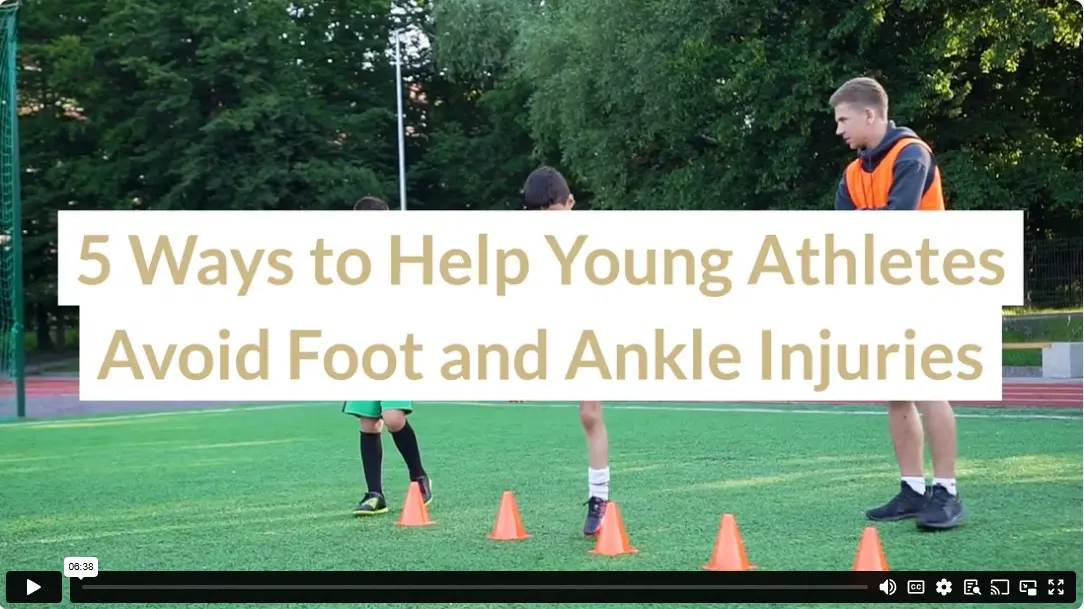
Video
Infographic
Injuries to the feet and ankles in young athletes are more common than many parents realize, and even minor issues can lead to long-term problems if ignored. Discover in this infographic ways to protect young athletes’ feet and ankles.
