

Having your toes curl from embarrassment or shyness is never fun. But what if your toes are curling in ways you can’t control? That’s not a cosmetic problem or something you should ignore.
When your toes start to curl in ways they shouldn’t, it can lead to pain and balance issues. If left untreated, it may even cause difficulty walking.
You may notice your toes curl downward and stiffen, creating pressure points at the tips or tops of your toes. At first, it might feel like a minor nuisance, but over time, claw toes can have a significant impact on your mobility and quality of life.
Don’t brush it off. Take proactive steps and seek claw-toe correction. A podiatrist can help you prevent more painful and invasive problems later.
What Are Claw Toes?
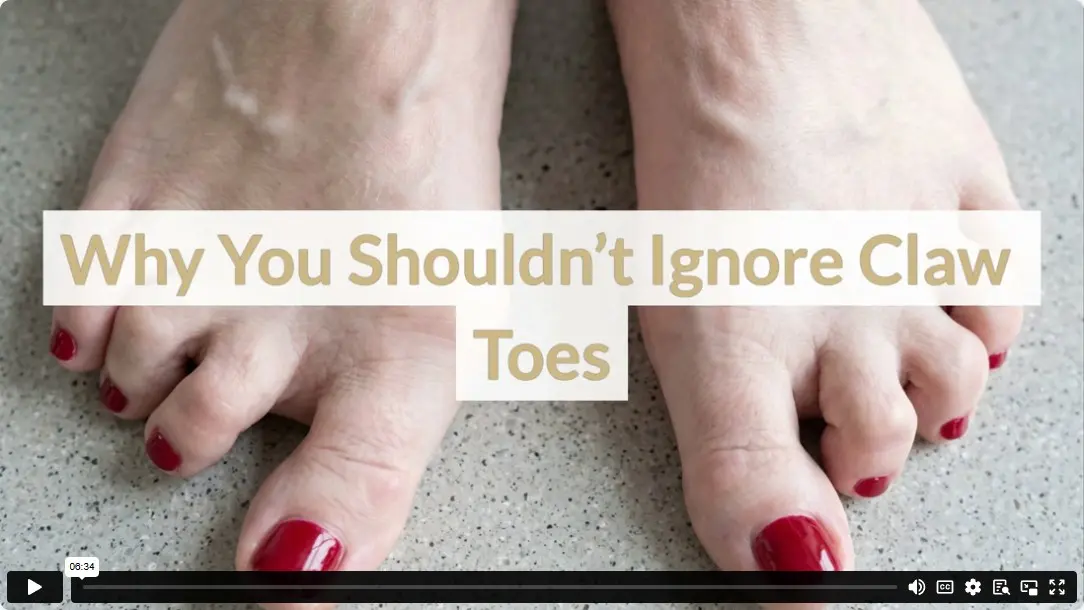
Claw toes are a condition usually affecting the smaller toes that causes them to bend into a claw-like shape. The affected toe bends upward at the joint where it connects to the foot, then curls downward at the middle and end joints, so your toe begins to resemble a claw. This shape will become more rigid and painful over time, especially if the underlying cause isn’t addressed.
While it can affect any of your smaller toes, claw toes are most common in the second through fifth toes. At first, your toes may still be flexible, and you may be able to straighten them manually. But as the condition progresses, the joints become fixed in place, and your treatment options become more limited.
What Causes Claw Toes?
Claw toes often develop due to muscle imbalance. When the muscles that control toe movement aren’t working together correctly, the stronger ones overpower the weaker ones and pull your toes into a curled position.
Several common factors can contribute to this imbalance. Poorly fitting shoes, especially ones that are too tight or have high heels, are a top cause of claw toes. Standing on your feet for a long time in shoes that don’t fit correctly can compound the problem. Over time, the stress adds up, and your toes start to curl as your body adapts to the pressure.
Medical conditions can also impact how likely you are to develop claw toes. Arthritis, for example, can weaken joint structures and put you more at risk, as can prior foot trauma or injury.
People with diabetes are also at increased risk of developing the condition, and they may not be able to feel the early discomfort that claw toes can cause. This is because high blood sugar can damage both nerves and blood vessels over time. Diabetic foot care should be nearly as high a priority as managing glucose levels.
And sometimes you’re just unlucky and are naturally more prone to toe alignment issues.
Early Symptoms You Shouldn’t Ignore
At first, claw toes may not cause you too much discomfort. But small signs can give you clues that something isn’t quite right.
Keep an eye out for things like:
- Toes that stay curled when you’re barefoot
- Redness or corns developing on the tops of your toes
- Pain when walking, especially in shoes
- Pressure on the tips of the toes
- Calluses on the ball of your foot
These symptoms may seem minor at first, but they often worsen without intervention. As the joints become more rigid, even standing or wearing soft shoes can lead to discomfort. Seeking the advice of a St. George foot doctor early on will prevent more discomfort and further damage to your feet.
Why Claw Toes Require Prompt Attention
The longer your claw toe goes untreated, the more permanent the damage can become.
When your toe joints lock into that curled position, correcting them without surgery becomes far more difficult. A claw toe starts as a flexible deformity. It can respond to stretches your foot doctor can teach you and lifestyle changes like swapping out your ill-fitting shoes.
But it can progress quickly and form a rigid claw that resists movement. Waiting to seek treatment for any reason can lead to more pain and mean that you need surgery to correct your claw toe.
Ignoring it can also lead to other problems, like an increased risk of ulcers or wounds, especially if you have diabetes and secondary issues like corns, hammertoes, or misalignment in your other toes.
Even if the condition isn’t painful now, it’s placing stress on other areas of your foot. Over time, this can make walking difficult and lead to knee, hip, or back issues.
What You Can Do to Address Claw Toes
The best way to manage claw toes is to intervene early, before the joints become permanently stiff. Here are some practical steps you can take:
1. Adjust Your Footwear
Choose shoes that don’t crowd your toes. Look for a roomy toe box and soft upper material. Avoid high heels shoes or styles that force your toes into unnatural positions. Look for options that allow your toes to lie flat without rubbing.
2. Start Daily Toe Exercises
Stretches and simple exercises can help restore muscle balance. Try picking up marbles with your toes or gently stretching each toe back toward a straight position. Doing this daily improves flexibility and function.
3. Use Padding or Orthotics
Non-medicated toe pads or cushions can relieve pressure on corns and the tips of the toes. Custom orthotics help correct alignment and redistribute pressure across your foot more evenly.
These steps work best when your toes are still flexible. If the joints are already rigid, you may need more advanced support to prevent further damage.
When to Seek Professional Help
You don’t have to wait until you’re in pain to talk to a foot specialist.
If your toes appear unusually curled, even without discomfort, it’s worth having them evaluated. A podiatrist can assess the severity of the deformity, check your muscle strength, and recommend a treatment plan that fits your lifestyle.
If conservative methods don’t offer relief or if your joints are fixed in place, your podiatrist may discuss surgical options. These procedures aim to release tight tendons or realign the toe to restore function.
Surgery isn’t always necessary to fix claw toes, and early intervention can often avoid it altogether. It’s always best to seek out professional advice sooner rather than later.
What to Expect When Living with Claw Toes
Claw toes will never reverse on their own; you must seek treatment. But with the proper care, you can manage your symptoms and slow their progression. The key is to be consistent with your foot care routine and reach out to your local podiatrist when you spot any changes.
If you’re already noticing difficulty walking or pain in your toes, don’t assume it’s just part of getting older or being on your feet a lot. These are important signals that your body is sending, and responding to them early can protect your long-term mobility and wellbeing.
Even if you’re not currently experiencing pain, visible toe deformity is enough reason to act. Prevention and early support will lead to the best outcomes.
Video
Infographic
Claw toes are more than a cosmetic concern—they’re a progressive foot condition that can affect comfort, mobility, and overall quality of life if untreated. This infographic explains what claw toes are and why early attention matters.
